
Environmental Science and Local Ecology: Inspiring Young Minds to Protect Our Planet
Our environment is one of the greatest classrooms available to students. Every tree, river, bird, insect, and changing season teaches valuable lessons about life and sustainability. Environmental Science and Local Ecology helps middle and high school students understand how nature works, why conservation matters, and how small everyday actions can create a healthier future.
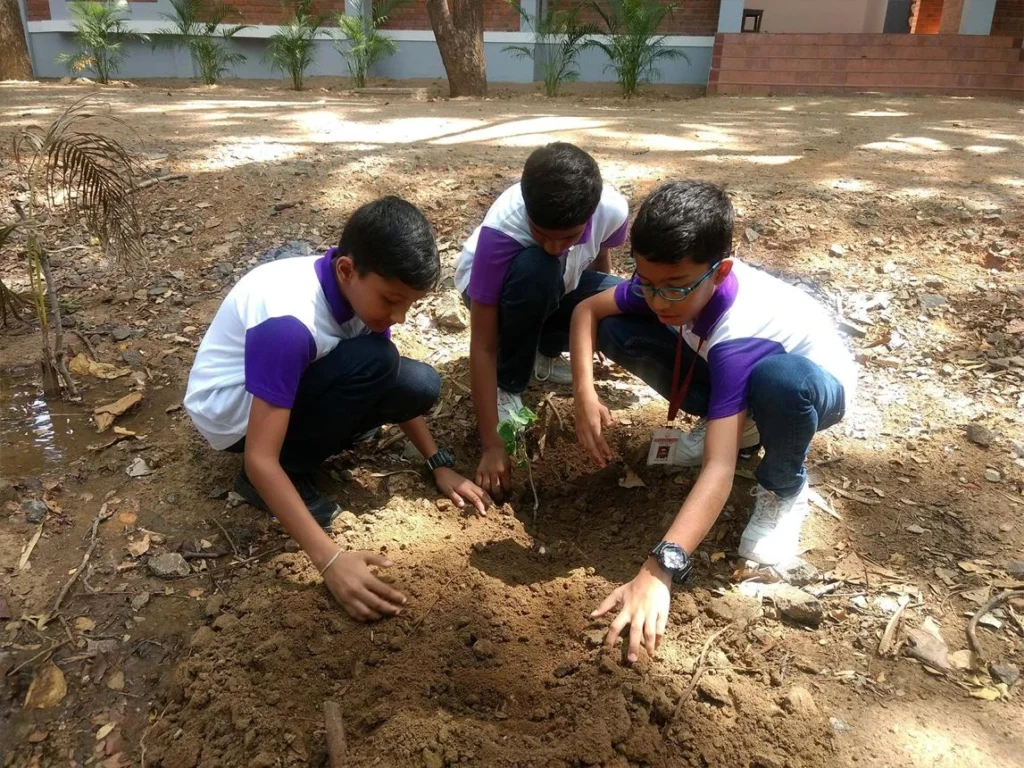
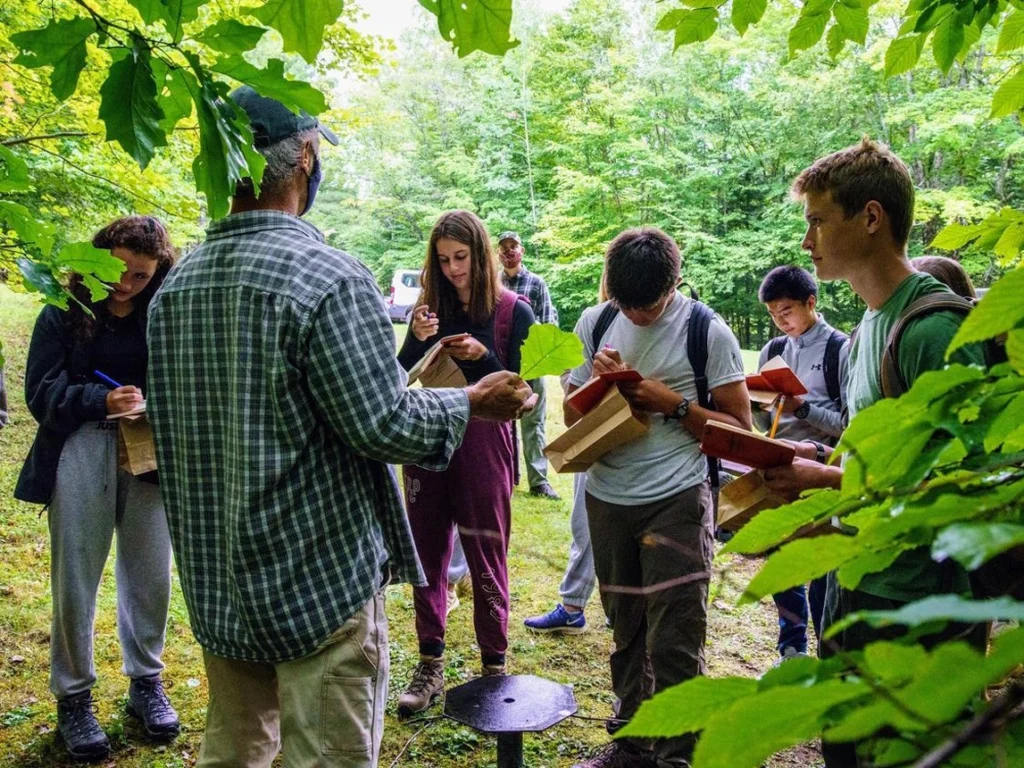
At Delhi World Public School (DWPS) Kalyani, Environmental Science is not limited to textbooks. Students actively explore their surroundings through nature walks, biodiversity studies, eco-club activities, plantation drives, recycling initiatives, and scientific investigations. This experiential approach develops environmentally responsible citizens who understand both global environmental challenges and the importance of protecting their own local ecosystems.
What is Environmental Science and Local Ecology?
Environmental Science and Local Ecology is the study of the natural world and the relationship between living organisms and their environment. It combines concepts from biology, chemistry, geography, physics, and earth science to help students understand ecosystems, biodiversity, pollution, climate change, conservation, and sustainable development.
Local ecology focuses on the plants, animals, water bodies, soil, weather patterns, and habitats found in the community where students live. Studying nearby ecosystems makes learning more meaningful because students can directly observe environmental changes around them.
Why is Environmental Science Important for Students?
Environmental education encourages students to become responsible global citizens while appreciating the natural resources available in their own surroundings.
Some major benefits include:
- Builds environmental awareness
- Develops scientific observation skills
- Encourages critical thinking
- Promotes sustainable living habits
- Improves problem-solving abilities
- Encourages teamwork through conservation projects
- Connects classroom learning with real-world issues
- Inspires leadership in environmental protection
Students who understand nature today are more likely to protect it tomorrow.
Components of Local Ecology
Students learn about various parts of their local ecosystem, including:
Biodiversity
Understanding local plants, trees, birds, insects, mammals, and aquatic life helps students appreciate the richness of nature.
Ecosystems
Students explore forests, wetlands, ponds, gardens, agricultural fields, and urban green spaces to understand ecological balance.
Natural Resources
Learning about air, water, soil, minerals, and forests encourages responsible resource management.
Climate and Weather
Observing rainfall, temperature, humidity, and seasonal changes helps students understand environmental patterns.
Hands-On Environmental Science Activities
At DWPS Kalyani, practical learning makes Environmental Science engaging and memorable.
Popular activities include:
- Tree plantation drives
- School gardening projects
- Compost preparation
- Waste segregation campaigns
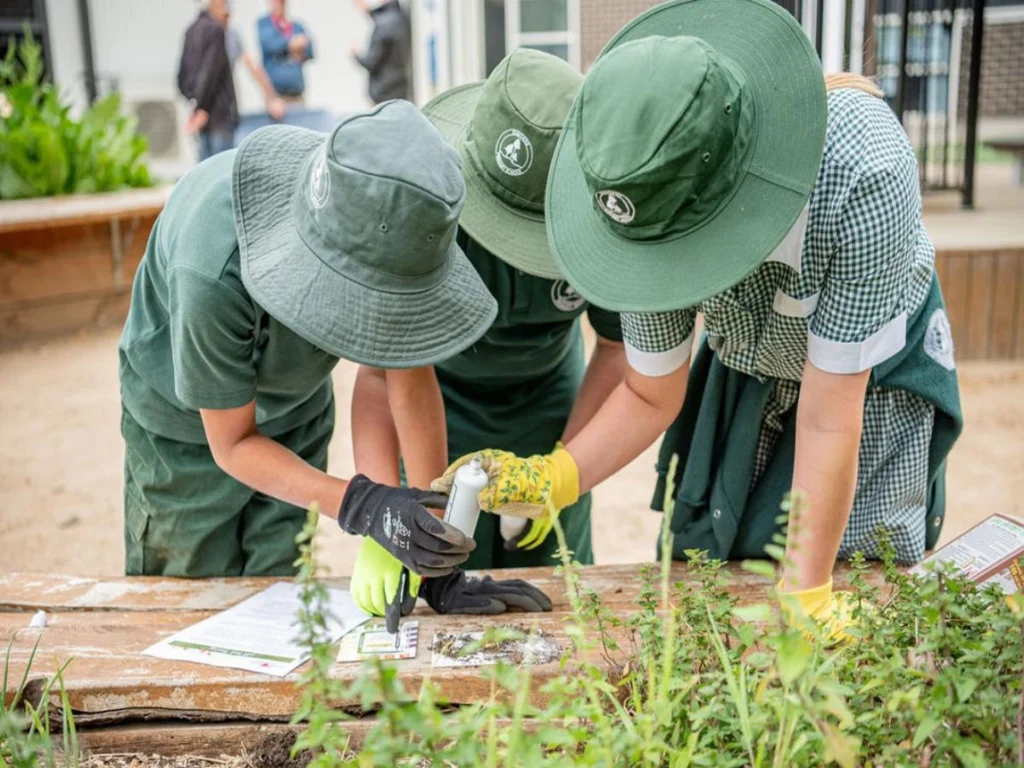
- Water quality testing
- Bird watching
- Butterfly garden creation
- Rainwater harvesting models
- Recycling competitions
- Nature photography
- Energy conservation surveys
- Cleanliness awareness campaigns
These activities encourage students to observe, investigate, and solve real environmental challenges.
Common Environmental Challenges Students Learn About
Environmental Science introduces students to issues affecting both local communities and the world.
Topics include:
- Air pollution
- Water pollution
- Plastic waste
- Soil degradation
- Deforestation
- Climate change
- Global warming
- Loss of biodiversity
- Water conservation
- Renewable energy
- Sustainable agriculture
Understanding these issues helps students develop practical solutions rather than simply memorizing facts.
Benefits of Studying Local Ecology
Studying nearby ecosystems provides several educational advantages.
Students develop:
- Better observation skills
- Scientific curiosity
- Environmental ethics
- Research abilities
- Data collection techniques
- Communication skills
- Leadership qualities
- Community responsibility
Most importantly, they begin to understand that protecting nature starts within their own neighborhood.
How DWPS Kalyani Promotes Environmental Education
DWPS Kalyani integrates Environmental Science into classroom teaching as well as extracurricular activities.
Students participate in:
- Eco Club initiatives
- Green campus programs
- Science exhibitions
- Field visits
- Nature trails
- Sustainability projects
- Earth Day celebrations
- World Environment Day activities
- Community awareness campaigns
These experiences help transform theoretical knowledge into meaningful action.
Career Opportunities Inspired by Environmental Science
A strong foundation in Environmental Science can inspire students to pursue careers such as:
- Environmental Scientist
- Wildlife Biologist
- Ecologist
- Conservation Officer
- Forest Officer
- Climate Researcher
- Environmental Engineer
- Sustainability Consultant
- Agricultural Scientist
- Urban Planner
Early exposure encourages students to consider careers that contribute to a healthier planet.
Tips for Students to Protect the Environment
Every student can make a difference by adopting simple habits:
- Reduce plastic use
- Save electricity
- Conserve water
- Plant native trees
- Recycle paper and plastic
- Use reusable bottles and bags
- Keep surroundings clean
- Respect wildlife
- Avoid food waste
- Spread environmental awareness
Small actions, when practiced consistently, create lasting positive change.
Conclusion
Environmental Science and Local Ecology equips students with the knowledge, skills, and values needed to become responsible citizens in an increasingly complex world. By studying local ecosystems, participating in practical environmental activities, and developing sustainable habits, students gain a deeper appreciation for nature and understand their role in protecting it.
At DWPS Kalyani, we believe environmental education is essential for building informed, compassionate, and environmentally conscious leaders. Through hands-on learning and community engagement, we inspire students to care for their surroundings today and contribute to a sustainable future for generations to come.
Frequently Asked Questions
What is Environmental Science and Local Ecology?
Environmental Science and Local Ecology is the study of the environment, ecosystems, biodiversity, and the relationship between living organisms and their surroundings.
Why should students study local ecology?
Studying local ecology helps students understand their environment, appreciate biodiversity, and develop sustainable habits through real-life experiences.
What activities are included in environmental science education?
Students participate in tree plantation, gardening, recycling, biodiversity surveys, water conservation projects, eco-club activities, and scientific investigations.
How does Environmental Science benefit students?
It develops scientific thinking, environmental awareness, leadership, teamwork, and problem-solving skills while encouraging responsible citizenship.
How does DWPS Kalyani promote environmental education?
DWPS Kalyani encourages experiential learning through eco-clubs, green campus initiatives, field visits, environmental projects, science exhibitions, and sustainability programs.