
Science Fair Projects and Student Innovation: Inspiring Young Scientists Through Creativity and Discovery
Science is not only about understanding theories and formulas—it is about asking questions, finding solutions, and discovering how the world works. One of the best ways to nurture scientific curiosity is through Science Fair Projects and Student Innovation. Science fairs encourage students to transform classroom knowledge into practical applications while developing creativity, confidence, and critical thinking.
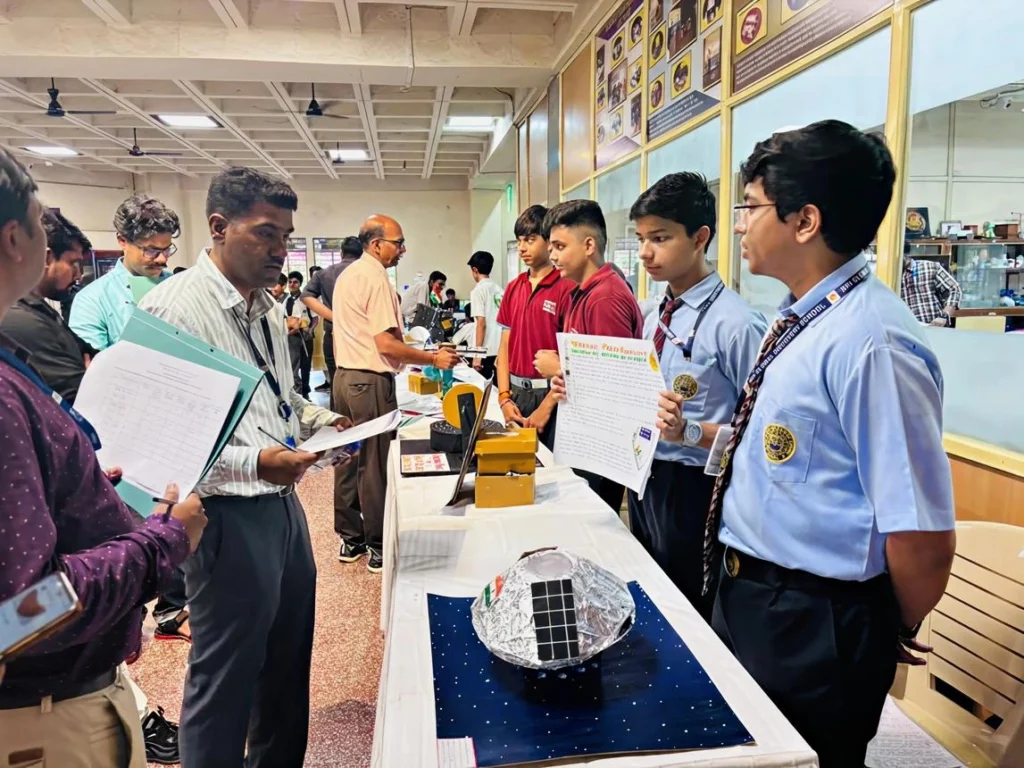
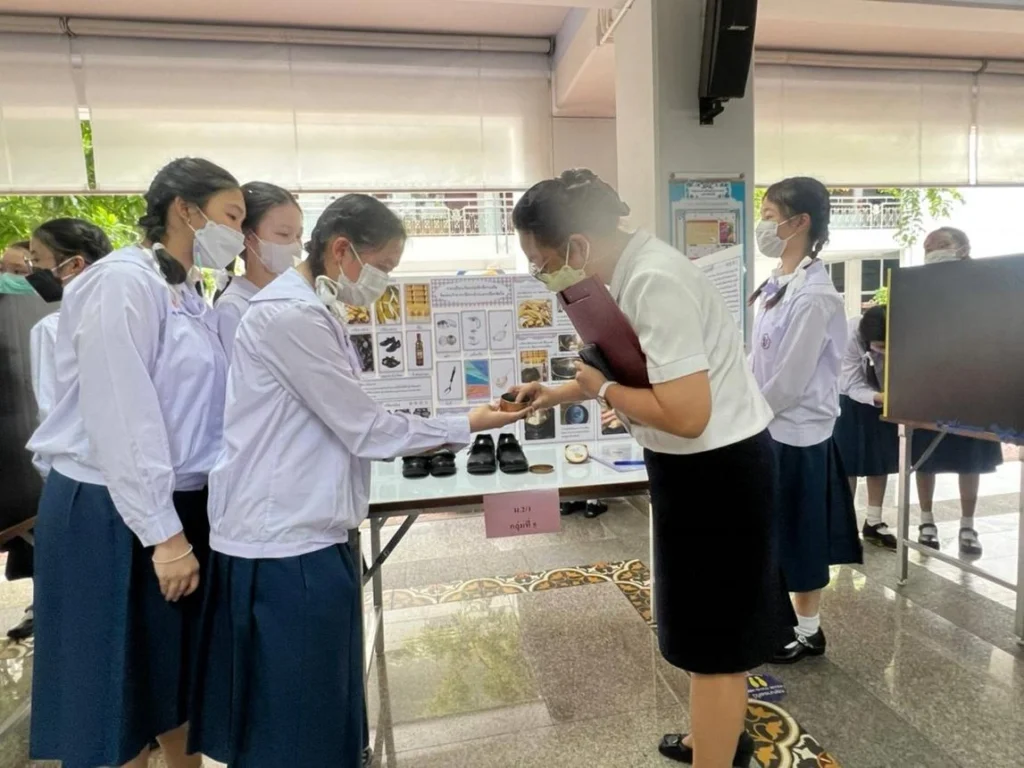
At Delhi World Public School (DWPS) Kalyani, science fairs are much more than competitions. They are opportunities for students to explore real-world problems, collaborate with peers, present innovative ideas, and build skills that prepare them for higher education and future careers. Through project-based learning and scientific inquiry, students become confident learners and responsible innovators.
What are Science Fair Projects and Student Innovation?
Science Fair Projects and Student Innovation involve identifying a scientific question or problem, conducting research, designing an experiment or model, collecting observations, and presenting findings in an organized manner. Students learn to apply scientific methods while improving communication and presentation skills.
Science fair projects may involve environmental science, robotics, renewable energy, mathematics, artificial intelligence, health science, agriculture, engineering, physics, chemistry, biology, or technology. Every project encourages curiosity and develops practical problem-solving abilities.
Why are Science Fair Projects Important?
Science fairs help students understand that science exists everywhere—in homes, schools, industries, healthcare, agriculture, and the environment.
Some major benefits include:
Encourages scientific curiosity
Improves research skills
Develops analytical thinking
Builds confidence in public speaking
Strengthens teamwork and collaboration
Enhances creativity and innovation
Improves problem-solving abilities
Connects classroom learning with real-life situations
Develops leadership qualities
Inspires lifelong learning
Students gain valuable experience by designing, testing, and presenting their own ideas rather than simply memorizing textbook concepts.
Types of Science Fair Projects
Students can participate in a wide range of project categories depending on their interests.
Experimental Projects
Students conduct experiments, observe results, analyze data, and draw scientific conclusions.
Engineering Design Projects
Learners build prototypes or working models to solve practical problems using engineering principles.
Environmental Science Projects
Projects focus on pollution control, biodiversity conservation, renewable energy, waste management, rainwater harvesting, and sustainability.
Robotics and STEM Projects
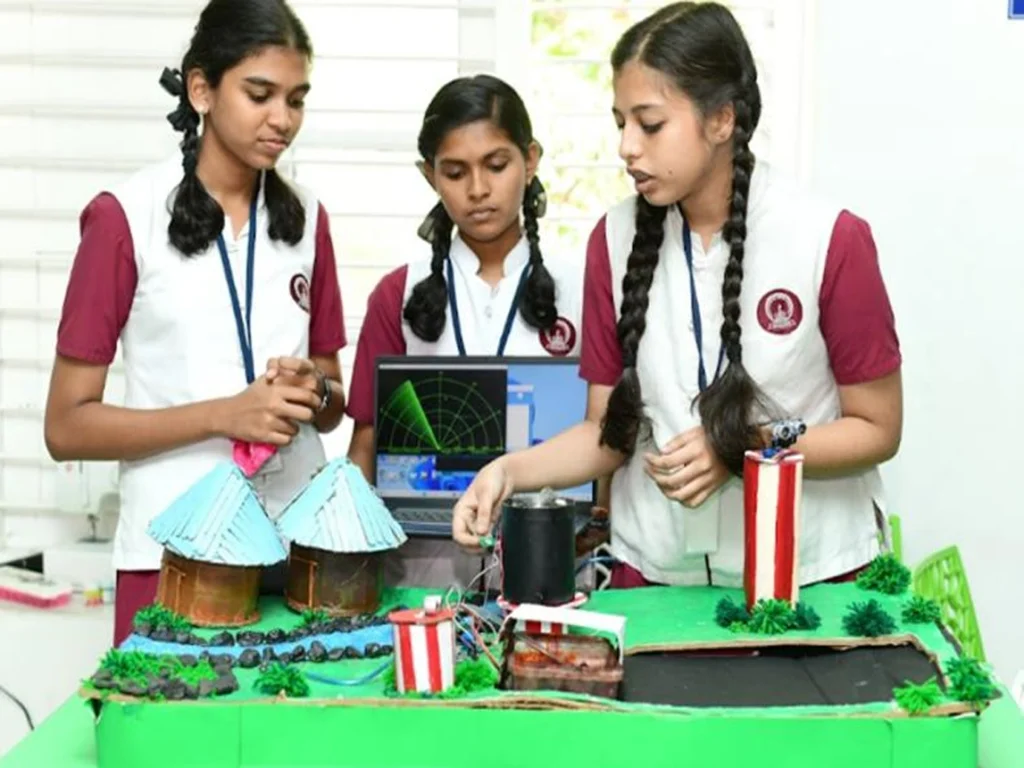
Students develop automated systems, coding applications, sensors, and robotics models to solve everyday challenges.
Mathematical Investigations
Projects explore patterns, statistics, probability, geometry, financial mathematics, and real-life mathematical applications.
How to Prepare a Successful Science Fair Project
A systematic approach increases the quality and effectiveness of every project.
Step 1: Select an Interesting Topic
Choose a topic that addresses a real-world problem or scientific question that genuinely interests you.
Step 2: Conduct Research
Gather reliable information from books, journals, educational websites, and teacher guidance before beginning the project.
Step 3: Formulate a Hypothesis
Develop a prediction or possible solution that can be tested through observation or experimentation.
Step 4: Design and Build
Prepare the experiment, working model, or prototype using appropriate materials and scientific methods.
Step 5: Collect and Analyze Data
Record observations carefully using tables, charts, graphs, photographs, and measurements.
Step 6: Present Your Findings
Create an attractive display board, explain the scientific process, answer questions confidently, and highlight practical applications.
Essential Skills Developed Through Science Fairs
Science fair participation develops numerous academic and life skills, including:
Critical thinking
Creativity
Communication
Research methodology
Teamwork
Scientific observation
Data analysis
Time management
Leadership
Innovation
Presentation skills
Confidence
These competencies prepare students not only for examinations but also for higher education and professional careers.
Common Mistakes to Avoid
Students should avoid several common mistakes while preparing projects:
Selecting overly complicated topics
Copying existing projects without originality
Ignoring scientific explanations
Poor data recording
Weak presentation skills
Inadequate rehearsal
Poor time management
Lack of proper research
Untidy project displays
Originality and clear scientific reasoning always leave a stronger impression than complex but poorly explained models.
Science Fair Ideas for Middle and High School Students
Students can explore a variety of innovative project ideas such as:
Smart irrigation systems
Solar-powered devices
Rainwater harvesting models
Plastic waste recycling
Water purification systems
AI-based attendance systems
Smart traffic management
Renewable energy demonstrations
Air pollution monitoring
Robotics for daily life
Sustainable agriculture
Weather monitoring stations
Earthquake-resistant structures
Energy-efficient homes
Biodiversity conservation projects
These projects connect science with community needs and encourage students to develop practical solutions.
How DWPS Kalyani Encourages Student Innovation
At DWPS Kalyani, innovation is integrated into everyday learning. Students are encouraged to participate in science exhibitions, STEM workshops, coding clubs, robotics competitions, environmental awareness campaigns, and interdisciplinary research projects.
Teachers mentor students throughout the project journey by helping them identify meaningful topics, conduct research, design experiments, improve presentations, and communicate scientific findings confidently.
Regular exhibitions and community engagement activities provide students with opportunities to showcase their creativity while inspiring younger learners.
Benefits Beyond the Classroom
Science fairs prepare students for much more than competitions. They nurture curiosity, resilience, confidence, and leadership while promoting collaboration and lifelong learning.
Participation also helps students prepare for:
CBSE practical assessments
National and international science competitions
Olympiads
STEM innovation challenges
Engineering and research careers
Entrepreneurship opportunities
Students learn that innovation begins with asking thoughtful questions and exploring creative solutions.
Conclusion
Science Fair Projects and Student Innovation inspire students to become explorers, innovators, and future leaders. Through scientific inquiry, practical experimentation, and collaborative learning, students gain valuable academic knowledge along with essential life skills.
At Delhi World Public School Kalyani, we believe every child has the potential to innovate. Our commitment to experiential learning, research-based education, and STEM excellence empowers students to think critically, solve real-world problems, and contribute positively to society. By encouraging creativity and scientific exploration, we prepare learners for a future driven by knowledge, technology, and innovation.
Frequently Asked Questions
What are Science Fair Projects?
Science Fair Projects involve researching a scientific topic, conducting experiments or building models, analyzing results, and presenting findings using the scientific method.
Why should students participate in science fairs?
Science fairs develop creativity, research skills, critical thinking, communication, confidence, teamwork, and practical problem-solving abilities.
What makes a good science fair project?
A successful project is original, scientifically accurate, well-researched, clearly presented, and demonstrates practical applications.
What topics are suitable for middle and high school science fairs?
Students can explore robotics, renewable energy, environmental science, artificial intelligence, biotechnology, engineering, mathematics, agriculture, and sustainability.
How does DWPS Kalyani support science fair participation?
DWPS Kalyani supports students through experienced faculty mentorship, STEM laboratories, innovation workshops, project guidance, science exhibitions, and collaborative learning opportunities.